
Last year, the UK’s mobile app store recorded a 12 % increase in casual game downloads—outpacing every other genre. This surge mirrors a shift in how people use their spare moments: moving from endless social‑media scrolling to quick, rewarding challenges on their phones. As a result, the casual play market is evolving, compelling developers to rethink design, monetisation, and accessibility.
Instant Accessibility Meets Everyday Life
Casual players no longer need to wait for a console or a PC. A new title can launch on a phone and be playable within seconds. In the UK, a Digital Games Research Centre survey found that 68 % of respondents play a mobile game during a commute, while 54 % do so during lunch breaks. Touch controls and on‑the‑go graphics make even a 10‑minute session feel satisfying.
The low barrier to entry lets developers experiment with micro‑levels and bite‑size quests. Take “Garden Tycoon Lite,” for example: a single garden layout that can be completed in under five minutes. Players who finish the level unlock a new plant, nudging them back for the next quick session.
Monetisation Models That Fit a Casual Mindset
In‑app purchases have shifted from “buy a full game” to “buy a small boost.” The average spend per casual player in the UK now sits at £1.20, down from £2.10 in 2015. This reflects a preference for low‑cost, non‑obligatory purchases. Many games offer cosmetic items—skins, avatars, or background themes—priced between £0.99 and £1.99. The purchase doesn’t affect core gameplay, preserving the casual experience.
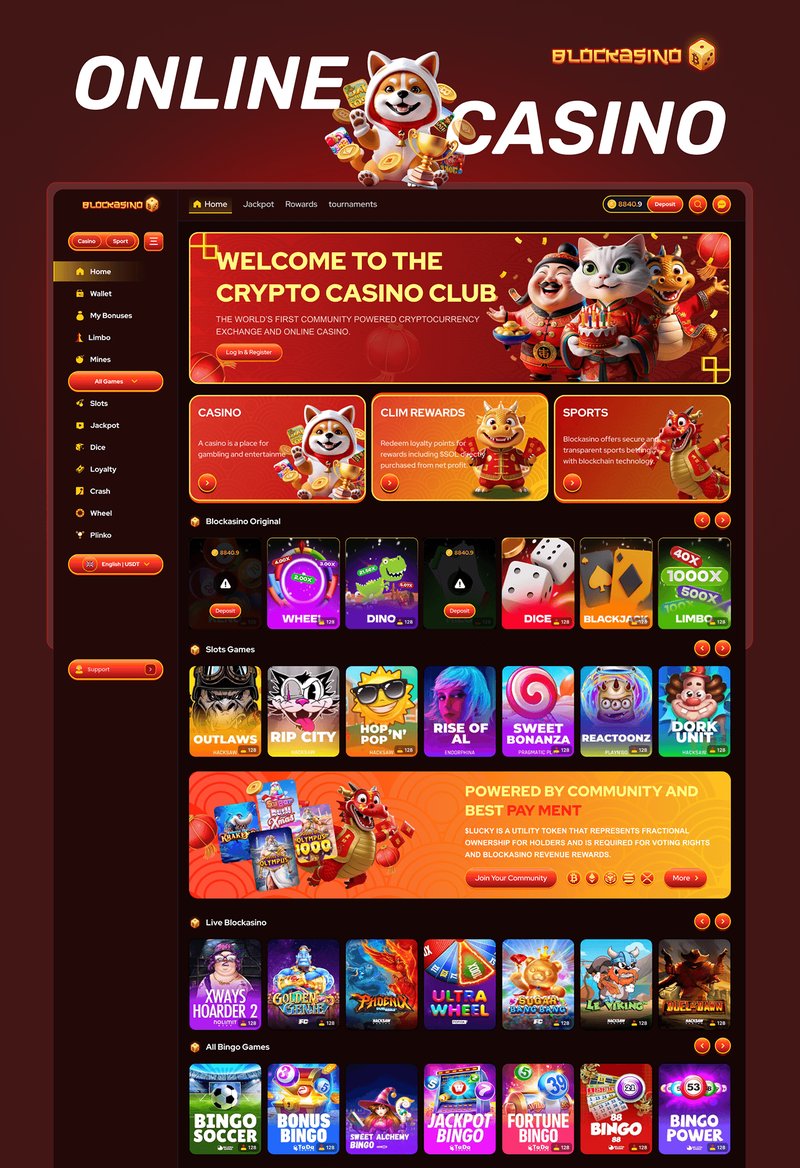
Players who enjoy quick wins may find similar thrills in online casino games, such as those offered by jokabet.

- Rewarded video ads: Players watch a 30‑second clip to gain a temporary boost, such as extra time or a bonus multiplier.
- Season passes: A £4.99 pass unlocks a new set of challenges each week, keeping the content fresh without a full game purchase.
- Daily login bonuses: A simple tap each day earns a small reward, encouraging habitual play.
These models keep costs low while still providing revenue streams that support ongoing development.
Cross‑Platform Play and Social Integration
Many casual titles now support cross‑platform progression. A player can start a level on a phone, pause, and resume on a tablet without losing progress. This flexibility matches the fragmented nature of UK users’ device ecosystems. Social features—leaderboards, friend challenges, and shareable achievements—also boost engagement. A 2023 App Annie study showed that games with social sharing options saw a 15 % higher retention rate over 30 days.
Inclusive Design for a Diverse Audience
Accessibility is a growing priority. Developers are adding features such as adjustable text size, high‑contrast modes, and haptic feedback for players with visual or motor impairments. The UK’s Office for National Statistics reports that 12 % of adults have a disability that could affect gaming. Inclusive design not only expands the player base but also enhances the overall user experience.
From Casual Play to Online Entertainment
When a casual game feels like a mini‑escape, it can naturally lead players toward more immersive online experiences. For instance, a casual puzzle game might introduce a themed event that ties into a broader online platform. Players who enjoy the quick challenges may then explore other entertainment options, such as online streaming or interactive quizzes. If you’re curious about how casual mobile gaming can segue into a wider digital entertainment ecosystem, check out jokabet for a smooth transition into engaging online content.
The Bottom Line for Developers and Players
For developers, the key to success lies in delivering short, rewarding loops that fit into everyday routines. Prioritise low‑cost monetisation, cross‑device sync, and accessibility. For players, the benefit is clear: instant fun that doesn’t demand a large time commitment or a high financial outlay. As mobile technology continues to advance, casual play in the UK will keep evolving, offering new ways to unwind without the need for a dedicated gaming setup.




Leave A Comment